













07/10/2026
If you live in a Finchley flat, bulky waste removal can be simple on paper and awkward in real...
Waste Disposal Finchley provides a practical waste disposal service in Finchley for people who need unwanted items, household rubbish or commercial waste removed with as little disruption as possible. The focus is on clear, straightforward disposal work: collecting the load, sorting what can be reused or recycled, and taking the remainder to the right facility. That makes the service suitable for everyday clear-outs, recurring business waste, one-off bulky items and mixed loads that are awkward to move in a normal vehicle.
We handle a broad range of disposal tasks, from rubbish collection in Finchley and waste clearance to fuller property-based work where more sorting is needed. If you are comparing options, our services overview gives a useful starting point, while the main aim here is simply to make the disposal process easier to understand before you request a quotation. For many customers, the important question is not only what can be taken away, but how to choose the most appropriate service for the type of waste, the amount involved and the access on the day.
For a quick next step, review the service that best matches your load and then send a plain description of what needs removing. If you already know the job is a mix of items, that is enough to begin.
Day-to-day disposal work often includes loose bagged waste, broken household items, packaging after a move, old storage contents and general clutter that has built up over time. A structured collection service can be the simplest choice when the load is too large for normal council collection arrangements or when items need lifting from inside the property rather than being left at the kerb. The aim is to remove the waste efficiently and leave the space ready for its next use, without turning a simple clearance into a complicated project.
If you are comparing this with a more general clearance, it can help to think about the type of material first. Domestic waste collection is often best for routine household rubbish, while commercial waste removal is more suited to office, shop or workplace waste that needs regular attention. There is also scope for more specific items such as white goods and appliance disposal, where the disposal method matters because appliances contain mixed materials and can require separate treatment from ordinary rubbish.
Before asking for a price, it helps to note the type of items, approximate volume and whether anything is particularly heavy, awkward or fixed in place. A short written summary is often enough to get the conversation started, and you can use the same detail to compare a smaller collection with a fuller clearance.
Households usually generate waste in bursts rather than at a steady rate. A room being redecorated, a tenancy ending, or a loft that has not been sorted for years can all produce a load that is more varied than ordinary bin waste. In those situations, a disposal service needs to cope with mixed materials, narrow stairs, and items that need careful lifting. House clearance in Finchley is useful where several rooms or an entire property need attention, while loft clearance is better for storage spaces where access and handling are often the main challenge.
Furniture can also call for a separate decision. Sofas, wardrobes, tables, beds and cabinets may be suitable for direct removal even when they are too bulky for standard waste streams. Furniture removal suits items that still need careful carrying out of the property, whereas furniture disposal is a better fit when the main issue is getting old or unwanted pieces taken away responsibly. If the items are a mix of materials, finishes and sizes, the service can be planned around the load rather than around a single object type.
Useful choices: if the property is broadly full, think clearance; if it is mainly one category of bulky item, think removal or disposal. That distinction keeps the enquiry clear and helps the work be planned around what really needs to go. Clarity at the start usually makes the whole process smoother.
Outdoor and project waste tends to build up quickly, especially after pruning, landscaping, decorating or light refurbishment. Bags of cuttings, soil, branches, timber offcuts, old fixtures and mixed packaging can all need removing together. A garden-focused service is practical when green material is the main issue, while builders' waste is better for rubble, wood, plasterboard, fittings and the mixed debris that comes from finishing work. The difference matters because the waste categories are often handled differently once they leave the property.
Garden waste removal is aimed at organic and outdoor material that needs clearing from patios, beds, lawns or sheds. For construction and renovation debris, builders' waste disposal is the stronger fit, particularly where the load includes dense, heavy or dusty material. If you are dealing with mixed project leftovers rather than one neat pile, the right choice may combine these approaches, but the key is still to describe the contents accurately so the collection is matched to the work.
Where possible, separate reusable items from spoil, and mention whether the waste is already bagged or still loose. That is not about making the customer do the job twice; it is simply the clearest way to define the load and avoid confusion about what needs lifting, carrying or sorting on arrival.
Commercial waste is rarely identical from one business to the next. Offices produce paper, packaging, broken furniture and outdated equipment; shops may have display fittings, stock packaging and unsold items; smaller workplaces often accumulate a bit of everything. A disposal service for business premises should therefore be practical and adaptable, with enough flexibility to cope with a single clearance as well as repeat collections. The aim is to keep the premises usable, remove the waste promptly and deal with the contents in a tidy, organised way.
Office clearance is designed for desks, chairs, filing items and general workplace contents that no longer need to remain on site. For a broader business load, commercial waste removal is the more general option, particularly when the waste includes a mixture of office furniture, cartons, broken equipment and miscellaneous refuse. If the items are mainly rubbish rather than valuable fixtures, waste disposal is a sensible umbrella service to look at first, because it covers the practical end-point of removing the unwanted material from the premises.
For business enquiries, a short note about the type of premises, the amount of waste and the kind of access available is usually enough to shape an accurate quotation. If there are lifts, stairs, loading restrictions or other constraints, mention them together with the waste itself rather than as separate follow-up points.
Finchley is a long-established area in north London, historically part of Middlesex and now within the London Borough of Barnet. It is made up of several distinct districts, including North Finchley, East Finchley and Finchley Central, each with its own pattern of streets, shops and local landmarks. The area grew from a rural settlement into a suburban district over time, with transport links playing a major role in that change. The arrival of rail and later Underground connections helped shape the modern character of the place, bringing steady residential development and a stronger relationship with the wider capital. Finchley Central remains a recognisable focal point, with its station and nearby streets giving the district a more local high-street feel than the more commercial stretches elsewhere. East Finchley is known for its village-like atmosphere and the distinctive Archer statue near the station, while North Finchley has a busier urban profile and a stronger retail presence. Green spaces are an important part of the area too: Victoria Park offers a popular public open space, and nearby woodland and commons help preserve a sense of openness in a part of London that has become increasingly built up. The area also has cultural associations, with theatres, community venues and long-running places of worship reflecting the variety of the population. Finchley’s housing stock ranges from older villas and interwar terraces to later apartments and mixed developments, giving the district a layered streetscape rather than a single architectural style. That variety, together with its transport corridors and neighbourhood centres, makes Finchley feel both suburban and connected, with a local identity that is still easy to recognise.
Waste disposal pricing usually depends on several practical factors rather than on one simple measure. The amount of waste is important, but so is the kind of material, whether items are heavy, whether they need to be carried from inside the property, and whether the load is straightforward or mixed. A compact pile of light rubbish is very different from a loft full of awkward belongings or a builder's load with dense debris. When the job is described properly, the quotation can reflect the actual work instead of relying on guesswork.
Our prices page is a useful place to start if you want to understand how disposal work is typically assessed, while pricing and quotes gives a broader view of how quotations are put together. If you want reassurance about handling and compliance as part of the service, insurance and safety and waste carrier licence and compliance are both relevant pages to review. These are useful to read when you are deciding who to trust with disposal work that needs to be handled carefully and lawfully.
When preparing to ask for a quotation, a single clear message is usually best. Include the type of waste, where it is located, whether there are stairs or tight access points, and whether anything needs dismantling before removal. That is enough detail to begin a useful discussion without overcomplicating the request.
Responsible disposal is not just about taking things away. It also involves sorting the load so that recyclable material, reusable items and residual waste can be separated where possible. That is especially relevant with mixed domestic waste, furniture, appliances and project debris, because these loads often contain materials that should not simply be treated as ordinary rubbish. A well-run disposal service considers what can be diverted away from disposal routes and what genuinely needs to be taken onward as waste.
Recycling and sustainability explains the general approach to sorting waste with care, and it sits naturally alongside a disposal service that has to handle different material types. When a load includes a mix of scrap, packaging, timber and reusable furniture parts, the practical question is how each part should be managed rather than how quickly everything can be tipped together. That is why clear descriptions matter: they let the collection be matched to the material from the outset.
Good disposal work should feel orderly even when the items themselves are not. The better the load is understood before collection, the easier it is to separate what should be recycled, what can be reused and what needs to be removed as residual waste. That approach supports a tidier result for the customer and a more controlled outcome for the material.
Not all waste should be treated the same way, even when it looks similar at first glance. A bag of mixed rubbish, a dismantled wardrobe, a broken appliance and a pile of building offcuts each create different handling requirements. Some loads are best lifted as they are; others are better prepared by separating pieces or identifying the most awkward components in advance. A clear service decision helps prevent the job from becoming slower than necessary once the team arrives.
For homeowners, landlords and businesses alike, the useful question is whether the work is mainly collection, clearance or disposal. A single bulky item may only need straightforward removal, while a fuller property or workplace may call for waste clearance with more sorting on site. If you know the waste includes repeat items from different rooms or departments, say so in the first message. That allows the job to be planned in a way that suits the actual contents rather than a generic description.
In practice, the best quotation requests are brief but specific. They do not need a long explanation, but they do benefit from accurate detail about type, quantity and access. That balance keeps the enquiry efficient and gives you a better basis for comparing the available options.
The easiest way to ask for a quotation is to send a plain summary of the waste you need removed and the location of the items within the property. If there are bulky pieces, mixed materials or anything unusual about the access, include that in the same message so the work can be assessed properly. For jobs where the load is more than one category, a single description is usually enough; it does not need to be polished, only accurate. Request a quotation today and let us help you choose the right disposal option.
For customers who want to look at the most direct contact route, the contact page is the natural place to begin. If you would like to compare the business information and support pages before sending details, about us and payment and security are also useful. These pages help round out the picture before you decide how to proceed with your enquiry.
Whether the job is a small household collection or a fuller clearance, the next step is simple: send the details, ask for a quote and choose the service that matches the waste. If you are ready, make your enquiry now and we will take it from there.

GET A FREE QUOTE
Need junk removed? We have what you’re looking for!
Choose our professional waste disposal Finchley services and take advantage of our revolutionary low prices.
 Tipper Van - Waste Disposal and Rubbish Removal Prices in Finchley, N2
| Space іn the van | Loadіng Time | Cubіc Yardѕ | Max Weight | Equivalent to: | Prіce* |
| Minimum Load | 10 min | 1.5 | 100-150 kg | 8 bin bags | £90 |
| 1/4 Load | 20 min | 3.5 | 200-250 kg | 20 bin bags | £160 |
| 1/2 Load | 40 min | 7 | 500-600kg | 40 bin bags | £250 |
| 3/4 Load | 50 min | 10 | 700-800 kg | 60 bin bags | £330 |
| Full Load | 60 min | 14 | 900-1100kg | 80 bin bags | £490 |
*Our rubbish removal prіces are baѕed on the VOLUME and the WEІGHT of the waste for collection.
 Luton Van - Waste Disposal and Rubbish Removal Prices in Finchley, N2
| Space іn the van | Loadіng Time | Cubіc Yardѕ | Max Weight | Equivalent to: | Prіce* |
| Minimum Load | 10 min | 1.5 | 100-150 kg | 8 bin bags | £90 |
| 1/4 Load | 40 min | 7 | 400-500 kg | 40 bin bags | £250 |
| 1/2 Load | 60 min | 12 | 900-1000kg | 80 bin bags | £370 |
| 3/4 Load | 90 min | 18 | 1400-1500 kg | 100 bin bags | £550 |
| Full Load | 120 min | 24 | 1800 - 2000kg | 120 bin bags | £670 |
*Our rubbish removal prіces are baѕed on the VOLUME and the WEІGHT of the waste for collection.
If you live in a Finchley flat, bulky waste removal can be simple on paper and awkward in real...
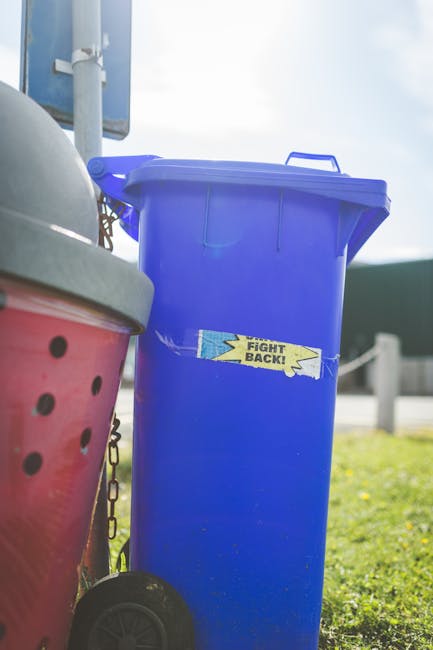
If your bins were meant to go out this morning and are still sitting there by the kerb at...

Hidden fees are the quickest way to turn a simple clear-out into an irritating little headache.

Moving out at the end of term sounds simple right up until you open the cupboard under the sink...

If you live, work, commute, or simply spend time around Finchley Central station, waste can pile...
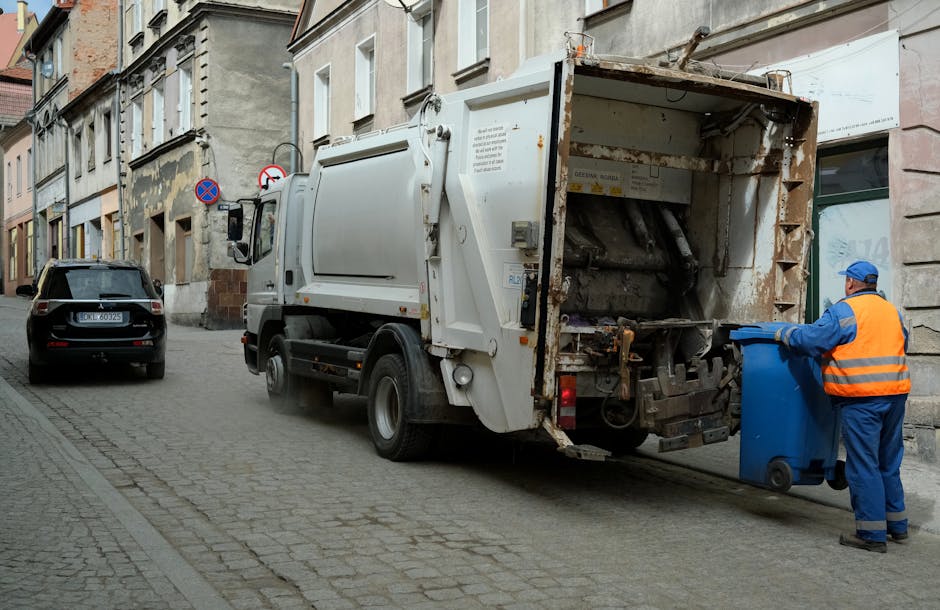
If you are dealing with a pile of old furniture, a post-renovation mess, or just the slow...
London is a diverse and vibrant city, offering endless possibilities for exploration and discovery.

Finchley, a suburban area of North London, is often hailed as one of the city's hidden gems. From...

Finchley, a vibrant area in North London, has become a popular spot for hosting parties and events.

Finchley, located in North London, is an attractive spot for real estate investors.

 (80)